
You might be the person who knows.
Help us find out.
Small questions, useful clues and stories still taking shape. Your reply goes privately to the archive team. Reviewed public notes appear here separately.
Editorial care: Hamanteh archive team
Photographs
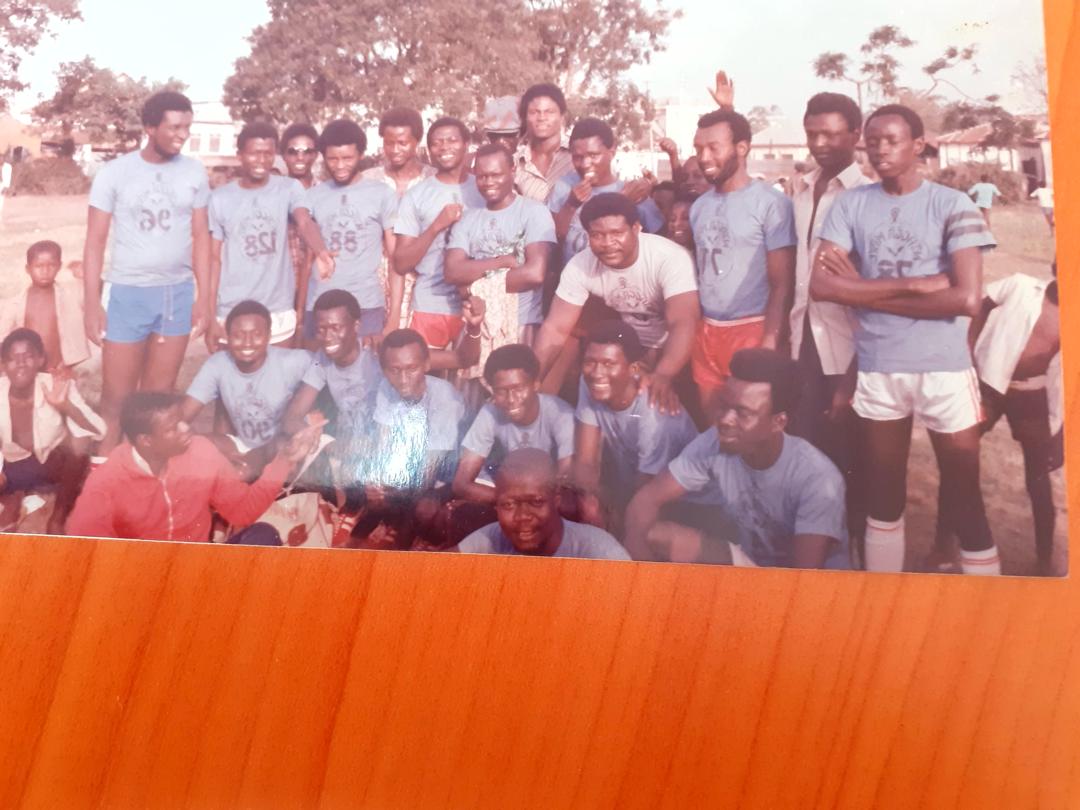
Which team wore pale blue?
Do you recognise the team, the ground, or the occasion? Tell us how you know, and distinguish what you remember from what you are unsure about.
Photographs
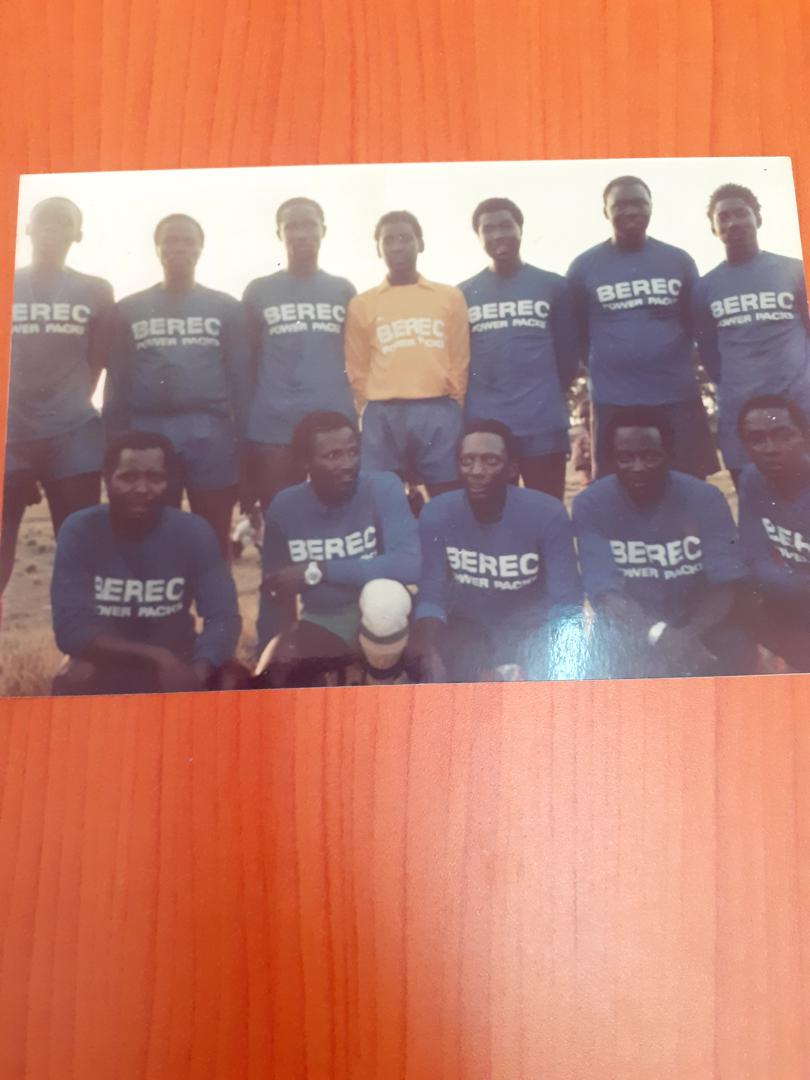
The story behind the BEREC shirts
What can you tell us about this team and its shirts? A programme, team list or another photograph could help establish the occasion.
Photographs
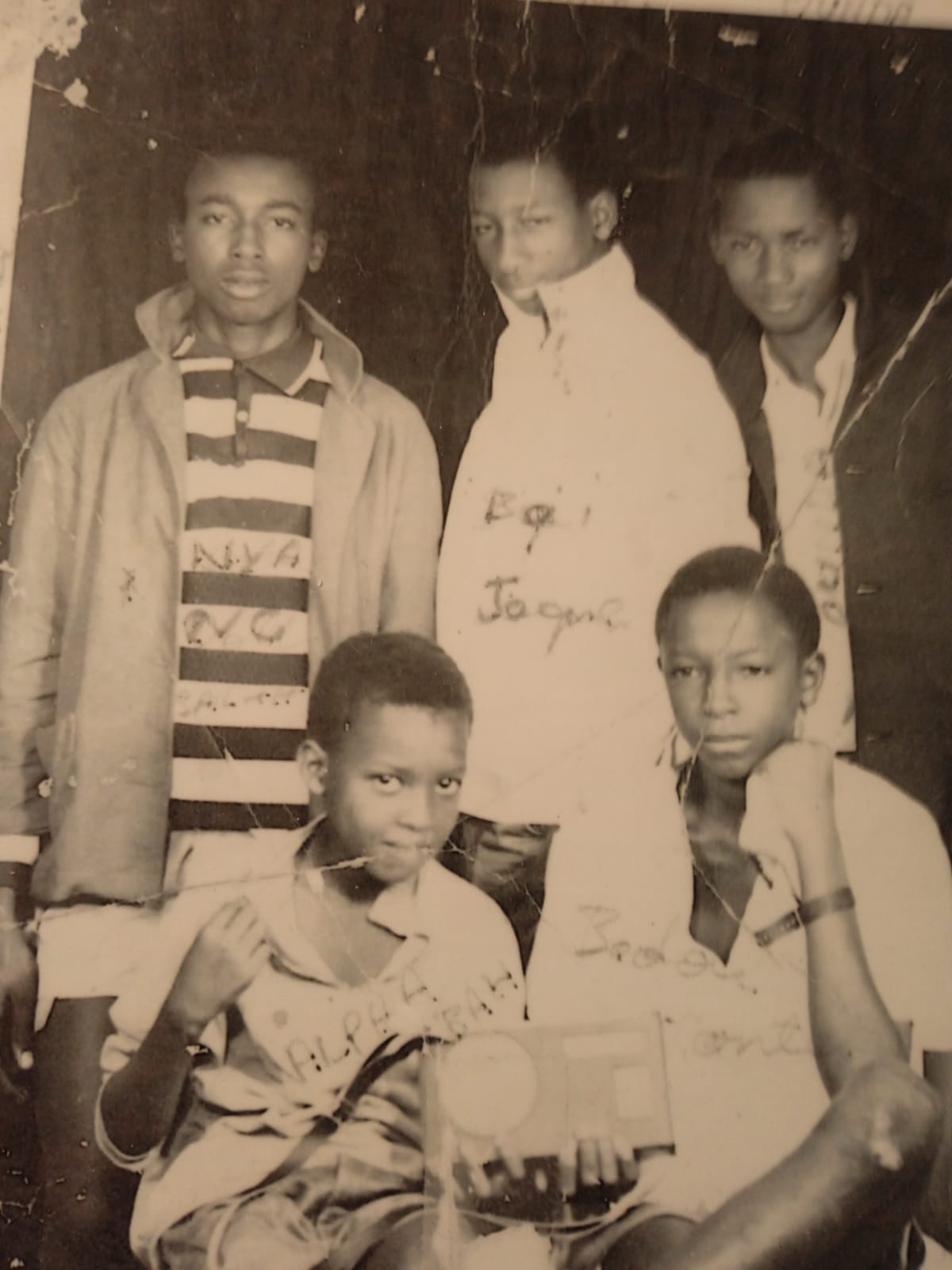
Can you help read the handwriting?
There is handwriting across this family portrait. Can you help read it or explain its context? Please do not guess identities.
Places
What should we remember about Half Die?
Which family, craft, religious, school, market, and street histories do residents consider central to Half Die?
Places
What should we remember about Jolof Town?
How do residents pronounce, spell, and explain the neighbourhood name?
Places
What should we remember about Soldier Town?
Which compounds, congregations, societies, and street institutions carry Soldier Town memory today?
Places
What should we remember about Portuguese Town?
Which family and trading histories connect Portuguese Town with Gorée, Saint-Louis, Sierra Leone, and upriver communities?
Place names
When did people begin saying Half Die?
What did older relatives say the area was called, and which event or period did they connect with the name? Did you first hear this at home, in the community, at school, or in something you read?
Place names
How was Mocam written and spoken?
Have you seen or heard Mocam, Moka, Moca, or another form? Where did you encounter it, and did it refer to the same area in every period?
Contested histories
What histories are attached to Jolof Town?
Which stories connect Jolof Town with Wolof artisans, Jola labourers, Melville Town, or other communities? Who told each version, and what evidence might help us hold the differences honestly?
Community mapping
Where did one quarter become another?
Which streets, compounds, institutions, trees, drains, or gathering places did residents use to describe moving between Half Die, Jolof Town, Soldier Town, and Portuguese Town? Were the edges understood differently by different people or at different times?
Map reading
What does the 1910-18 plan get right or leave out?
Looking at the Bathurst plan surveyed in 1910-11 and revised in 1918, which printed features match remembered places, which names changed, and which community landmarks were never recorded by the surveyors?
Everyday infrastructure
How did households get water?
Where were public wells, pumps, taps, or water sellers remembered? Who maintained them, who queued there, and how did access change over time? Do the two circa 1911 photographs of Bathurst wells resemble a place or practice you know?
Environment and infrastructure
What did the drains mean in daily life?
Which drains flooded, carried waste, marked routes, or became play and danger sites? How were they cleaned, crossed, repaired, or avoided?
Built heritage
Who knew how to build and repair kirinting?
Which materials, tools, wall layers, roof types, and seasonal repairs do people remember? Who taught the craft, and what words did builders themselves use for each part?
Photo identification
Can the 1910 marketplace be identified?
In the 1910 Bathurst marketplace photograph, what clues might identify the place, such as trees, buildings, street alignment, goods, or paths? Which possible locations fit those clues, and which details conflict with them?
Place names
How did street names change in everyday speech?
Which colonial, post-independence, official, and household names were used for the same street? Did people use the official name, a landmark, a family compound, or a different local name?
Urban change
How did port expansion change Half Die?
Which homes, workshops, schools, paths, shore uses, or gathering places moved or disappeared? Which dates, documents, photographs, and named witnesses support each account?
Newspaper trail
Which stories might the newspapers hold?
Which local events, people, clubs, businesses, schools, or neighbourhood changes might appear in The Gambia Outlook, The Gambia Echo, The Gambia Onward, or the Gambia News Bulletin? Which dates would be the best place to begin looking?
Archive ethics
What can court records reveal without causing harm?
What could a named court case add to public understanding, and what risks of privacy loss, stigma, or family harm would it create? Could the same historical pattern be understood without exposing a person?
Family archives
What lives in your family archive?
Which photographs, letters, keepsakes, recordings, or documents have been cared for in your family? Who created them, who kept them safe, what is known about them, and what parts of their story remain uncertain?
Object histories
What object holds a family story?
Is there an object in your family that carries a story, such as clothing, a tool, a vessel, furniture, jewellery, or a gift? Who made, used, repaired, inherited, or passed it on, and what memories travel with it?
Language review
Which words carry the story?
Is there a word or phrase in a recording that holds special meaning, humour, memory, or place knowledge? How is it spoken, which language is it in, and how would a fluent speaker explain it?