hamanteh.
Our communities

The Gambia · North Bank

There is room for your story here.

AlbredaA village. A river.
A living memory.

The river holds one part of Albreda’s story. Its people carry the rest. Whether this is home, a place you remember, or somewhere you are meeting for the first time, welcome.

Make yourself at home
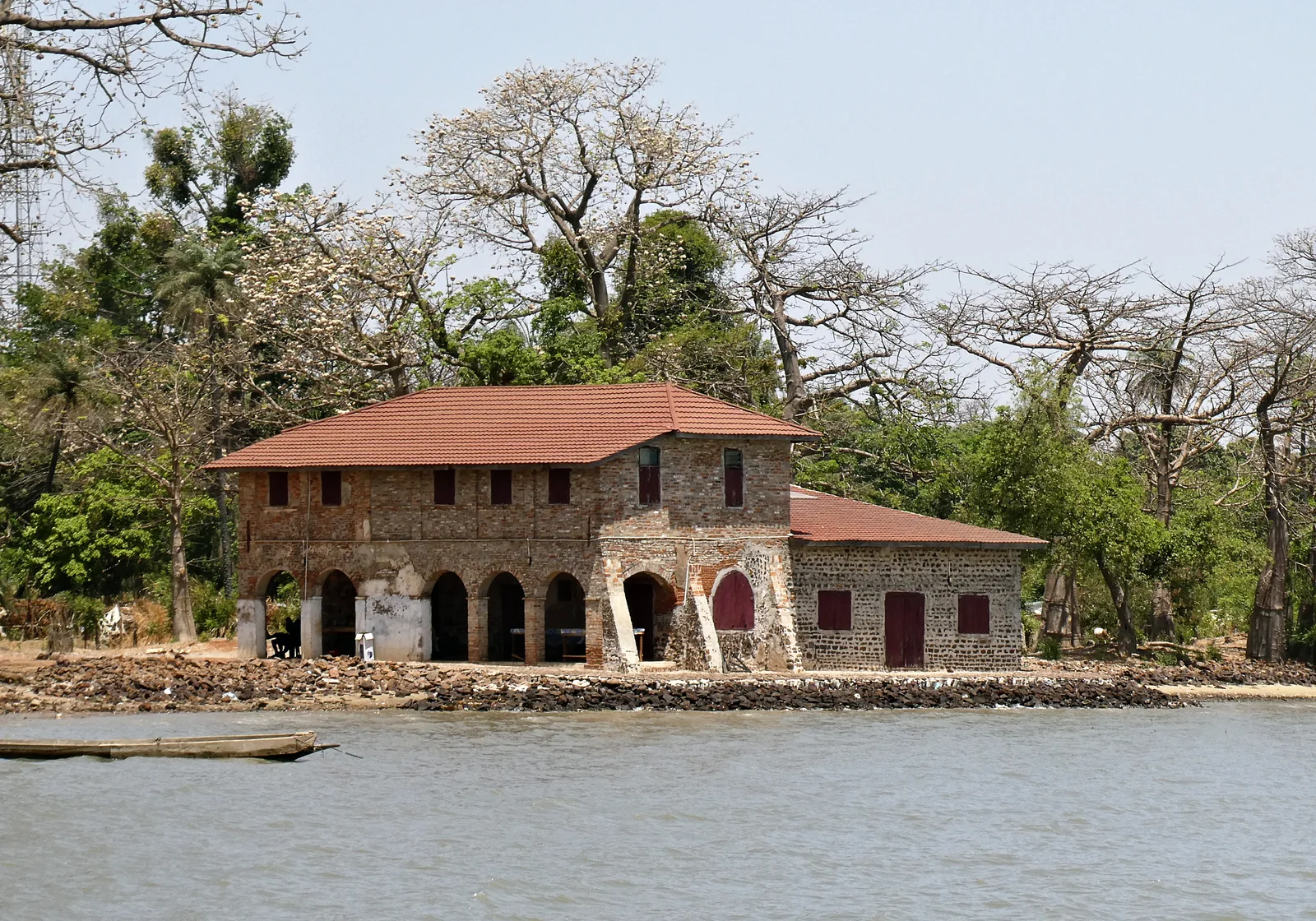
The CFAO building at Albreda’s river edge
The CFAO building at Albreda’s river edge. Photograph & credit
Historical sources & photo credits

A place to begin

The story is
bigger than
the ruins.

At Albreda’s riverbank, the remains of a Portuguese chapel and the old CFAO warehouse hold traces of different chapters in the village’s past. They belong to the heritage landscape shared with Kunta Kinteh Island and neighbouring places.

But a place is more than the buildings that survive. A family photograph, a remembered journey, a familiar name or a voice from home can open another way into its story. This is a space for those memories too.
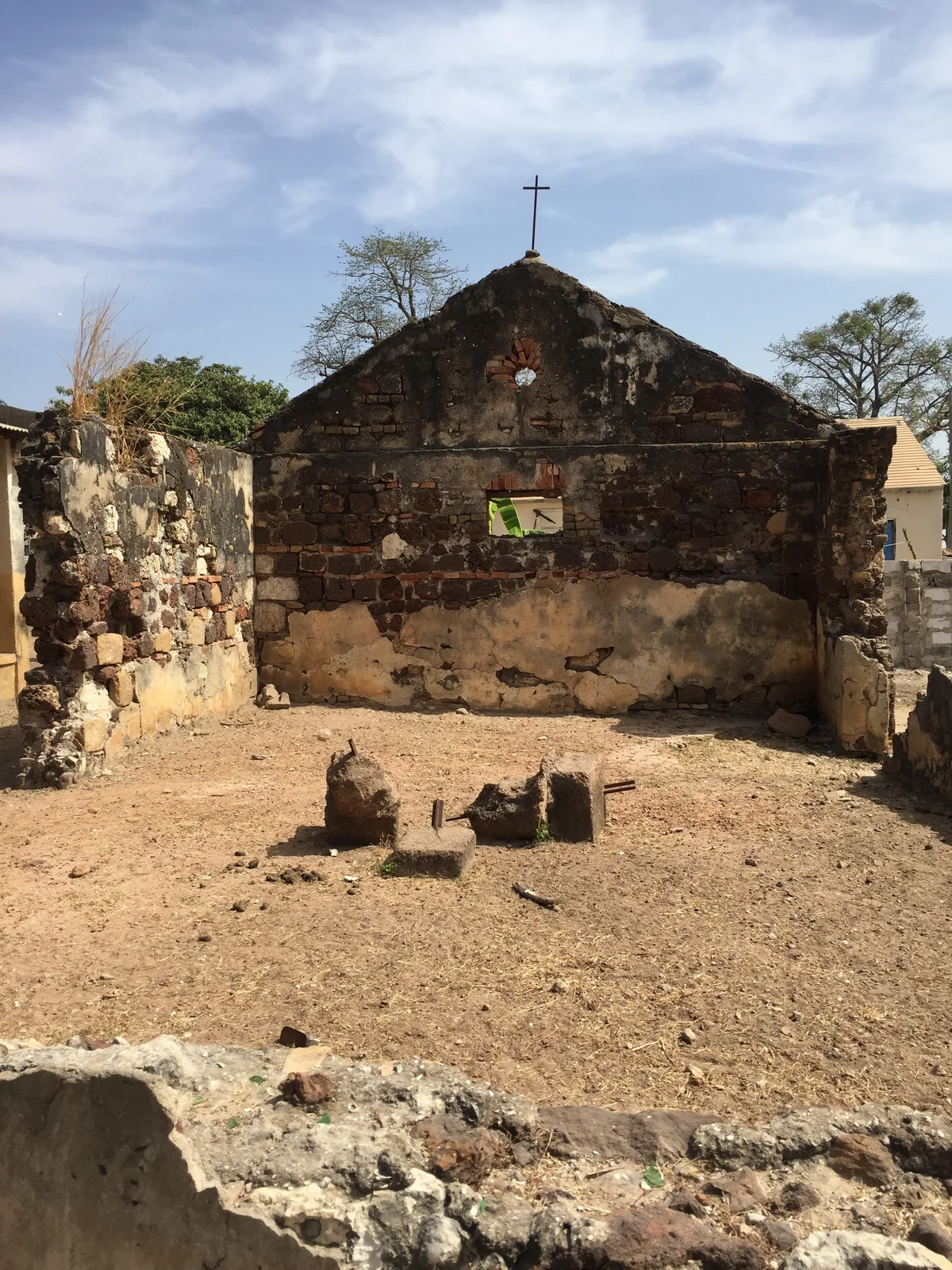
The surviving walls of the Portuguese chapel in Albreda
A surviving piece of Albreda’s past. Photo credit

Look a little closer

What the buildings
can tell us

The chapel ruins and the restored CFAO building tell different stories of exchange along the river. Their preservation keeps part of that history within reach.

Do you have an older photograph of this place? Or a memory of how it looked when you were young?

Add your photograph or memory

Across the water

A river of journeys.
A place of remembrance.

The island and riverbank sites bear witness to centuries of African-European encounters, commerce and the Atlantic slave trade. For many people in the diaspora, they are places of profound remembrance.

That history deserves space, dignity and care. So do the personal stories people bring when they return, visit or remember from far away.

A picture can open a conversation.

Later views of Albreda

These images come from named source records. They show a moment or a place, not the whole community story. If you know more, there is room for your memory too.
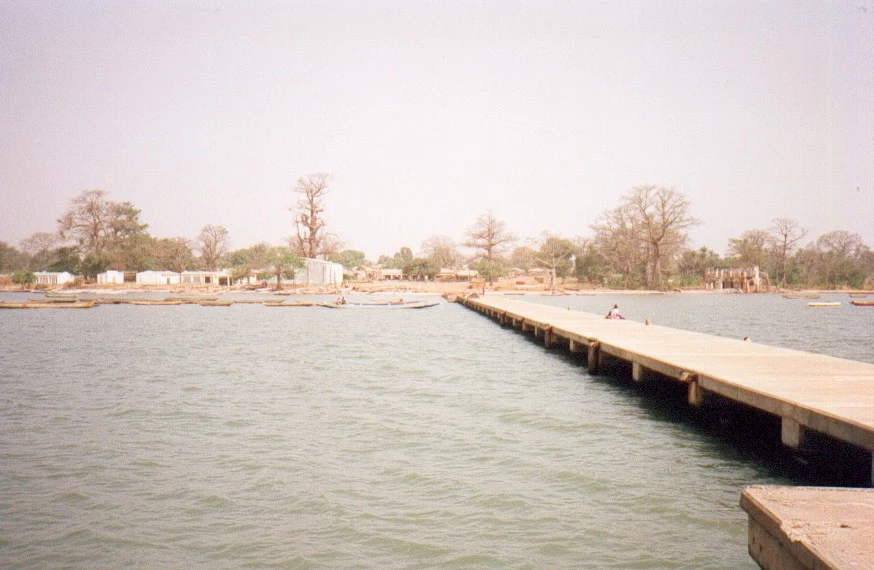
See the photograph
Albreda in 1997

Later photograph · 22 February 1997

Albreda in 1997

Leonora (Ellie) Enking. Wikimedia Commons, imported from Flickr

Archival captions reflect the source’s wording; our display titles may be adjusted for clarity or caution. A later photograph does not show an earlier century. Image credits and reuse terms stay with each record in the photographic shelf.

Terranga. A little room for one another.

Pull up a chair.
You belong in the conversation.

You do not need a finished history to take part. A greeting from abroad, a childhood memory, a question for an elder, or a photograph you have kept for years is a place to start.

Tell us what Albreda means to you, in the language that feels like home.
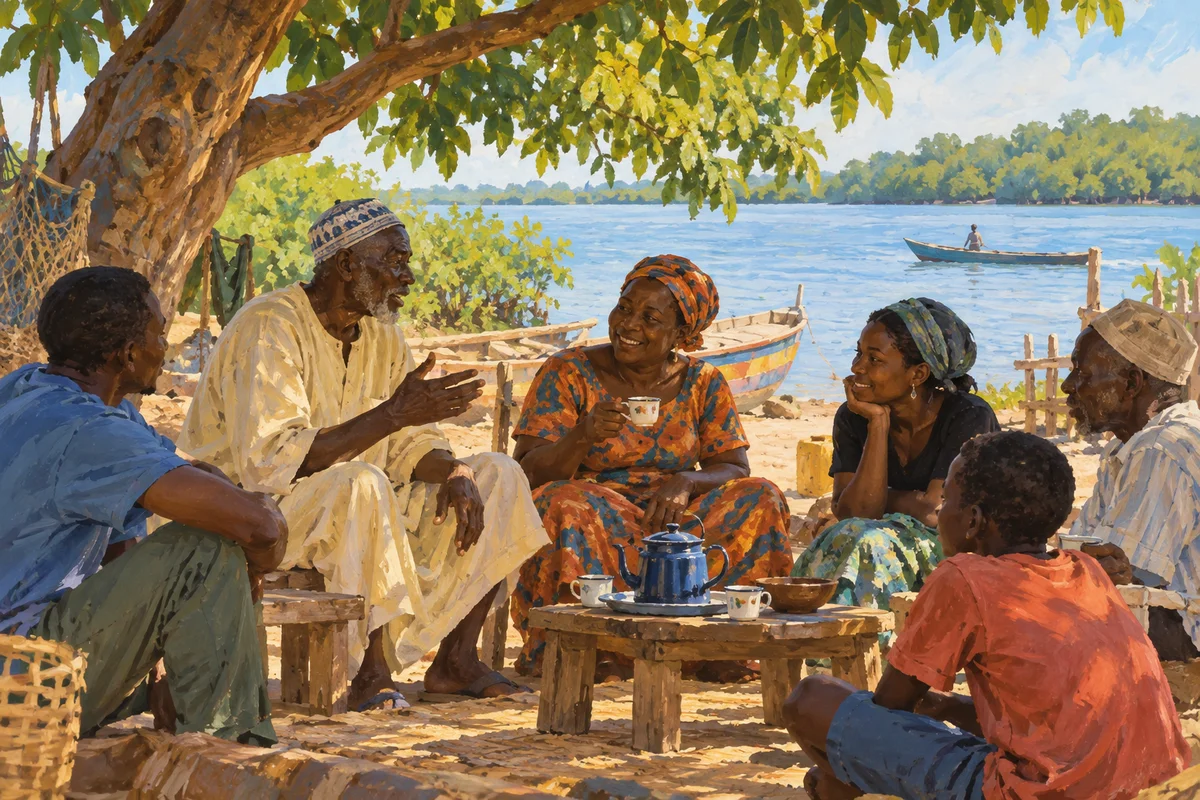
Painted illustration of different generations sharing tea and conversation in riverside shade
An illustrated welcome, not a portrait of Albreda residents.

A place at the table

The Albreda guest book

A greeting from afar. A familiar corner. Someone you remember.

Leave a few words

Everyone can read this book. Sign in to write. The care team reviews each note before it appears.

Please leave out private contact details and anything you do not have permission to share.

This connection can be published with your note. Leave it blank if you prefer.

Checking your sign-in...

No AI processing is requested for guest-book notes. For photos, recordings or a longer story, share a memory.

Words from the circle

Community memories and greetings, not independently verified historical findings.

Opening the guest book...

The story keeps growing

Keep Albreda close.

There is always room for another memory. Follow the community to keep it in your corner of Hamanteh.

The surviving heritage also needs ongoing care. UNESCO names the National Centre for Arts and Culture as its custodian.

Checking your saved communities.

For the curious

The sources behind the story

Our shared memories and the historical record sit alongside one another. Here is where the historical account comes from.

Historical sources

  1. Kunta Kinteh Island and Related Sites

    UNESCO World Heritage Centre · 2003 inscription; live dossier · Outstanding Universal Value, brief synthesis, paragraphs 47-75; seven component locations

    Rights: Description CC BY-SA IGO 3.0; original paraphrases here

    UNESCO text sometimes says six parts yet enumerates seven locations; descriptions use the seven named locations, not a count of component properties.

  2. Excursions in Madeira and Porto Santo, with a Narrative of the Continuance of the Voyage: Gambia chapter, part 42

    Sarah Bowdich Lee, 1825; digitised transcription by Madeira Register · 1825; observations 1823-1824 · Gambia chapter printed pp. 204-207, online lines 7-35; Jillafree, Albreda and MacCarthy Island

    Rights: Nineteenth-century public-domain prose; original paraphrases only, no plates reused

    Names one historic child in a trafficking account, omitted from the entry to avoid turning a one-sided record into a public personal profile. Racist generalisations elsewhere in this chapter are excluded entirely.

  3. Annual Report on the Social and Economic Progress of the People of The Gambia, 1938

    British Colonial Office; digitised by University of Illinois · 1939 report of 1938 · PDF viewer pp. 6-9, online lines 271-334 (Pisania/Karantaba, 1816 Bathurst, 1823 MacCarthy Island, 1857 Albreda) and 380-389 (Basse); chronology section

    Rights: Historic government report, rights not independently determined; brief original paraphrases only

    Retrospective colonial chronology, useful for place-name and date cross-checks but not neutral social history. Its racial/religious categories are not adopted as current identities.

  4. Kunta Kinteh Island and Related Sites

    UNESCO World Heritage Centre · 2003 inscription; live dossier · State of conservation section: erosion at the island fort since 1779, Fort Bullen wall erosion with 20 metres rebuilt in 2000, Albreda's CFAO building with sea defence, the Maurel Freres building restored in 1996, Six-Gun Battery's good condition, and NCAC quarterly inspection funded mainly by entrance fees

    Rights: Description CC BY-SA IGO 3.0; original paraphrases here

    Retrieved through a text-extraction proxy; content is consistent with the same dossier already used elsewhere in this archive. Condition described is the dossier's own text and needs a current-year recheck before any present-day visitor claim.

Photographs & illustration

CFAO building by the river: Roweromaniak, 9 March 2020. CC BY-SA 3.0. Resized, converted to WebP and cropped in the page; the photograph retains the same licence.

Portuguese chapel, Albreda: Tjeerd Wiersma, 21 December 2015. CC BY 2.0. Resized and converted to WebP, with a responsive display crop.

The tea gathering is an original Hamanteh illustration created for this welcome. It is an imagined scene, not historical evidence or a depiction of named residents.

Back to the story